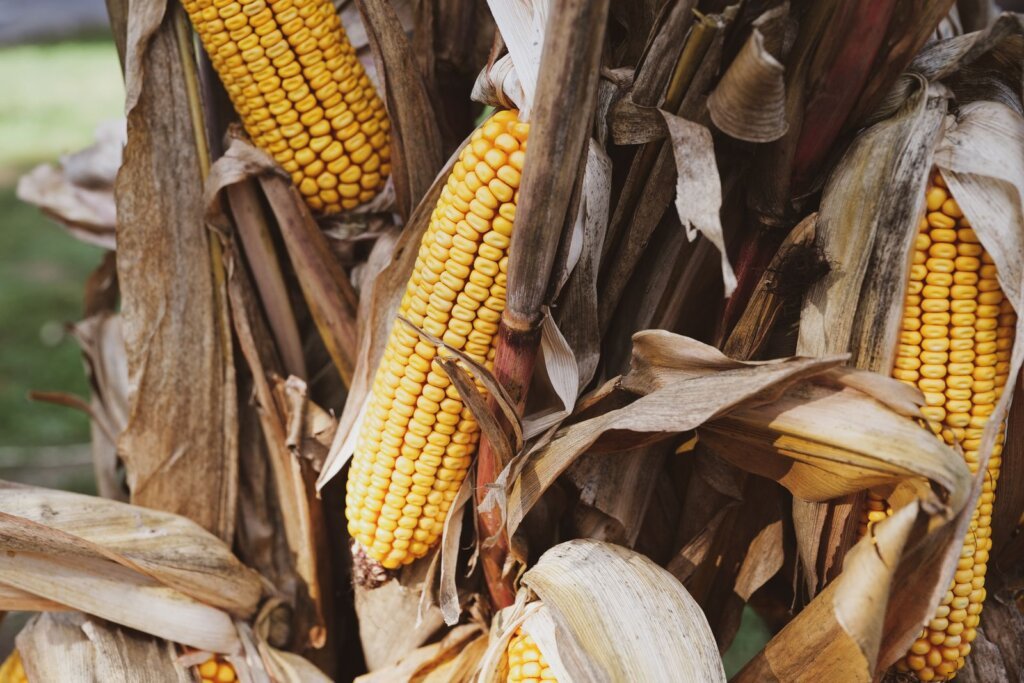
Two corn seeds.
Same bag. Same field. Same morning. Same hands dropped them into the ground.
One grew into a thin stalk with a single, sorry-looking ear.
The other gave three. Three full, golden ears on one plant.
I was just a teenager when I first noticed it, standing between the rows with dirt under my fingernails. And I remember thinking a question I would spend the next fifty years trying to answer:
If the seed was the same… what made the difference?
Stay with me. Because the answer is not really about corn.
It is about you.
A farm boy, a radio, and the oldest law on earth
I grew up on a small farm in southern Brazil. Nine of us under one roof: my father, my mother, three sisters and four brothers.
Every morning, long before sunrise, my mother was the first one up. She turned on the old radio, made coffee and cooked for all nine of us so we could head out to the fields. That radio, by the way, is where I first heard English. A station broadcasting from Quito, Ecuador, all the way across the continent. I fell in love with the sound of it. But that is a story for another day.
From the age of ten to seventeen, I worked that land. When it was time to plant fruit trees and vegetables, my parents always called me. “He has a good hand for planting,” they said. When there was heavy work, like hauling logs so the plow could pass or loading sacks of grain onto the truck, my father called me too. He said I was the one who could handle it.
So I learned the land the way you learn a language. Not from a book. From years of watching, sweating and waiting.
And the land taught me the oldest law there is. You know it. Your grandparents knew it. It is written in the Bible, and it is spoken on every porch from Iowa to Georgia:
You reap what you sow.
Years later, I sat in a packed auditorium in São Paulo and heard the great American business philosopher Jim Rohn speak live. He built a whole philosophy of success around the law of sowing and reaping. I remember smiling in my seat. A farmer’s son from Brazil and a farm boy from Idaho had learned the same truth from the same teacher: the soil.
I am 64 years old now. I have spent nearly 30 years in classrooms and decades coaching adults. I have worked in the Army, in banking, in health and in education. And everything I have seen confirms what the farm taught me first.
People grow exactly like seeds. Here are the five laws that decide the harvest.
Law #1: The seed is never as small as it looks
Hold an avocado seed in your hand. It weighs almost nothing.
Now picture what is folded up inside it: roots, a trunk, branches, thousands of leaves, and fruit for thirty, forty, fifty years. A whole tree is hiding in your palm, waiting for permission.
Nobody looks at that seed and says, “Too small. Forget it.”
But we say it to ourselves every single day.
I’m too old to start. I didn’t go to the right school. People like me don’t do things like that.
When I was a teenager, I volunteered teaching adults to read. Grown men and women, many of them old enough to be my parents. Most of them had been told, in a hundred quiet ways, that they were “not school material.”
Within months, they were reading their own names. Then words. Then whole sentences.
The ability was never missing. It was a seed that nobody had ever planted.
Here is what I want you to hear: whatever you think is “too late” or “too small” in you is a seed, not a verdict. The question is not whether you have potential. You do. The question is whether you will give it soil.
Law #2: The soil decides what the seed becomes
Back to those two corn plants.
The seed was the same. The difference was the soil, the water, the care. And the hand that tended it.
Your mind is soil. And here is the uncomfortable truth almost nobody tells you:
Every day, someone is planting something in you.
Your parents did. Your teachers did. Your boss does. The friends you text, the podcast in your ears, the news playing in the background, the endless scroll on your phone at midnight. Seed after seed after seed, dropped into your soil whether you notice or not.
And your mind does not ask whether a seed is good. It just grows what is planted, especially what is planted over and over. Psychologists call one part of this the illusory truth effect: the more often we hear something, the more true it feels. Repetition does not check facts. It just plants.
So the most important questions of your life are not only what you are learning. They are:
- Who is planting in me?
- What are they planting?
- Why? To help me grow, or to make me easier to use?

For almost 30 years, I stood in front of classrooms. Some of them were the toughest in my region. The education office kept sending me the classes nobody else wanted, because they said I was the one who could handle them.
I had a ritual. On the first days of the school year, I did not open the grammar book. I told a short story. A farmer, a soldier, a stubborn old man. Then I stopped and asked one question:
“What lesson did you take from that?”
At first, silence. Then one hand. Then five. Then an argument, because two students had found two completely different lessons in the same story. That was exactly what I wanted.
I was not planting my opinion in their heads. I was planting a habit: listen, think, decide for yourself. A student who learns to pull a lesson out of a story can pull the truth out of a sales pitch, a headline or a political speech from any side.
That is the difference between a teacher and a programmer. A programmer tells you what to think. A teacher shows you how to think, and then trusts you with it.
You cannot choose every voice that reaches you. But you can choose which ones you water. More on that in how your environment shapes who you become.
Law #3: Weeds don’t need to be planted
Here is something every farmer knows and every city kid finds strange.
Nobody plants weeds.
You never see a farmer out at dawn carefully sowing thistles and crabgrass. He doesn’t have to. Leave a field alone for a few weeks and the weeds show up on their own. They are faster than the corn. They are tougher than the beans. And they steal the water, the sun and the nutrients your crop was counting on.
The mind works the same way.
You don’t have to plant fear. You don’t have to plant envy, laziness or the voice that whispers who do you think you are? Leave your mind untended for a few weeks, and those grow all by themselves.
That is why “I’m just not doing anything right now” is never true. If you are not planting something good, something else is already growing.
The good news? A weed pulled while it’s small comes out with two fingers. A weed left for a season needs a shovel.
So pay attention to the small thoughts. The excuse you made once. The complaint you repeated twice. The “I’ll start Monday” you’ve said for three years. Pull them while they are small.
Law #4: You can lose the harvest at the finish line
This is the law that still hurts to write about.
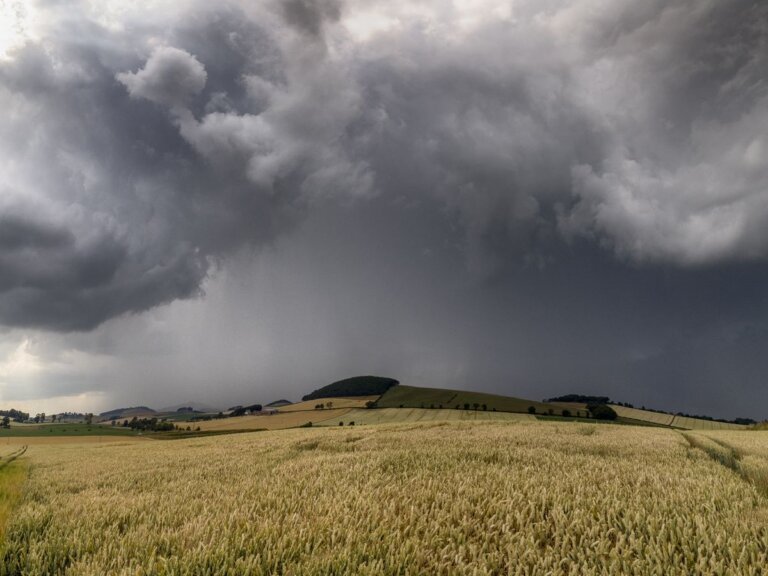
There were years on our farm when everything went right. Good seed. Good soil. Rain exactly when we needed it. The fields were so beautiful you wanted to stop and stare.
And then, in the last two weeks, we lost almost everything.
We pulled the peanuts out of the ground and laid them in the sun to dry. Then it rained. And rained. And rained. The peanuts started sprouting right there in the field. Once that happens, you can’t thresh them. They’re gone.
We cut the beans and stacked them to dry. The rain came for days. When it finally stopped, the beans were ruined. The rice turned moldy in the sacks.
Months of work. A whole family’s sweat. Lost with the finish line in sight.
I have watched the same thing happen to people more times than I can count. The student who studies for years and quits three months before graduation. The entrepreneur who builds something real and then gets careless. The man who earns trust for twenty years and loses it in one bad decision.
They didn’t lack talent. They stopped protecting the harvest.
Growth is not a moment. It’s a season. And every season ends with a harvest that has to be guarded until it’s safe in the barn.
Keep the habits that got you here. Finish what you start. Don’t celebrate the field before the grain is in. If consistency is your weak spot, start with how to stay consistent when motivation fades.
Law #5: Plant like it depends on you. Trust like it doesn’t.
As I write this, it’s almost November in southern Brazil. It should be hot by now. Instead, the sky is gray, the air is cold, and it’s been raining everywhere. Every farmer in the region is already doing the math in his head: what will this mean for the next harvest?
That is the farmer’s life. Sun, then rain, then cold, then heat, and the cycle starts again. Some years the land gives more than you asked for. Some years it gives almost nothing. And no farmer alive can order the rain to come or tell it to stop.
Personally, I see the hand of God in that rhythm. The seasons keep their order whether we are anxious or calm. You may see it differently, and that’s fine. But every farmer, believer or not, lives by the same balance.
He doesn’t sit on the porch waiting for a perfect year. He prepares the soil. He picks good seed. He plants on time. He pulls the weeds. He does everything in his power.
Then he lets go.
There’s an old line of wisdom in Ecclesiastes 11:6 that says it better than I can: sow your seed in the morning, and don’t stop working in the evening, because you don’t know which one will succeed.
That’s the whole secret of a peaceful, productive life:
- Total responsibility for what’s in your hands: your habits, your words, your study, the voices you let in.
- Humble trust about what isn’t: the economy, other people’s choices, the timing of your big break.
The one who only trusts and never plants gets nothing. The one who plants and trusts nothing lives in constant fear. The wise do both.
Your 7-day planting plan
A beautiful metaphor changes nothing on its own. Seeds in a bag never grew anything. So here is the field work. One small step a day, for one week.
- Day 1 — Find your seed. Write down one ability you know lives in you but you’ve never developed. Public speaking. Writing. Leading. A business idea. Be honest. That’s your seed.
- Day 2 — Test your soil. List the five voices you hear most every day: people, shows, podcasts, accounts. Next to each, write one word: grows or drains.
- Day 3 — Cut one drain. Mute, unfollow or limit one voice that drains you. Just one. Notice how much quieter your head feels.
- Day 4 — Plant on purpose. Pick one good source for your seed: a book, a course, a mentor. Give it 20 minutes today. Small and daily beats big and rare.
- Day 5 — Pull a weed. Catch one limiting thought (“I’m too old,” “I’m not smart enough”). Ask: Who planted this? Is it true? Write a replacement sentence you can actually prove.
- Day 6 — Water it again. Another 20 minutes on your seed. Repetition is how good seeds win, too.
- Day 7 — Guard the harvest. Write down the two habits from this week you will keep for the next 90 days. Put them where you’ll see them every morning.
If you want someone walking the rows with you, that’s exactly why everyone needs a coach. Every good farmer learned from someone who farmed before him.
Back to the two seeds
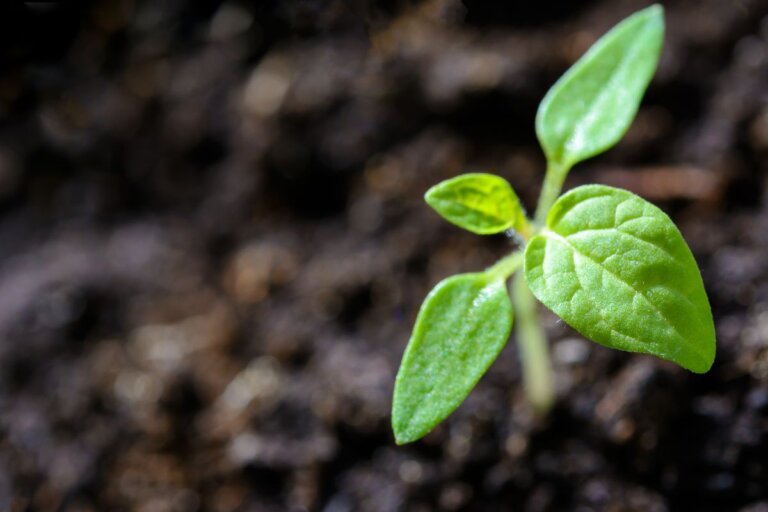
Remember those two corn seeds? Same bag. Same field. Same morning.
One gave a single thin ear. The other gave three.
After fifty years of watching seeds and people, I finally know the answer to the question that teenage boy asked between the rows. The difference was never the seed.
It was the soil. The care. The weeds pulled in time. The harvest protected until the end. And a farmer humble enough to do his part and trust the sky with the rest.
You are that seed. And you are also the farmer.
The harvest is coming either way. The only question is what will be standing in your field when it does.
So what will you plant this week?
Tell me in the comments: what’s the one seed inside you that has stayed in the bag too long? I read every single answer.
And as I used to tell my students at the start of every school year: look at the stars.
— Mr. Dantas, WiserToBe
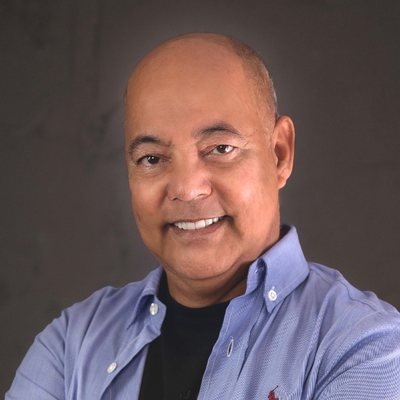
Mr. Dantas is a coach, mentor and behavioral strategist from Maringá, Brazil, with more than 40 years of experience across the Army, banking, education and coaching. Trained in NLP, he helps adults overcome emotional blocks, build lasting habits and communicate with confidence under pressure.